
Favorites
-
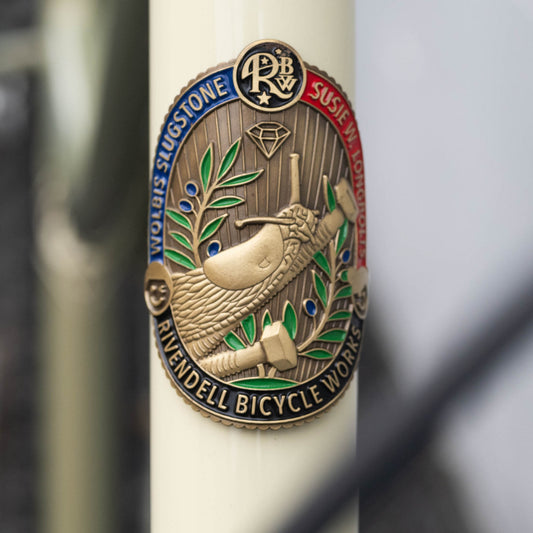
Frame - Lugged Susie W. Longbolts / Wolbis Slugstone - Presale Now Live
Regular price $2,000.00 USDRegular priceUnit price per -
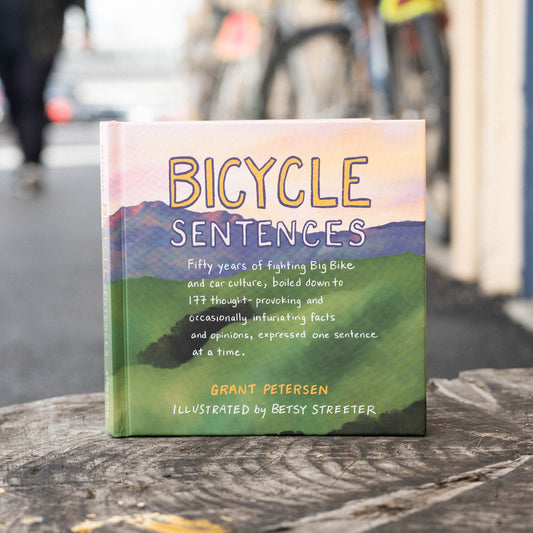
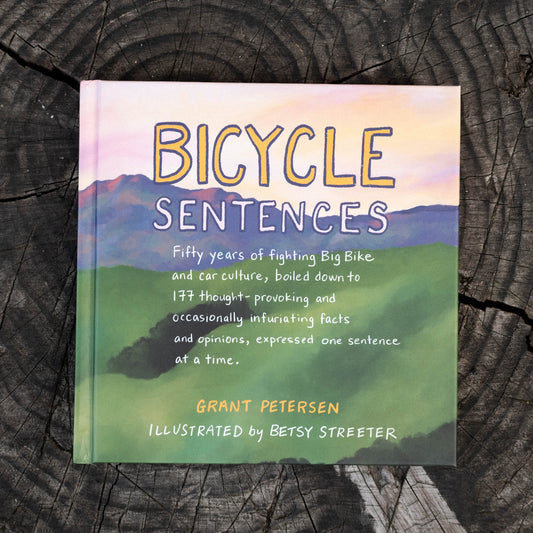
Bicycle Sentences Book
Regular price $20.00 USDRegular priceUnit price per -
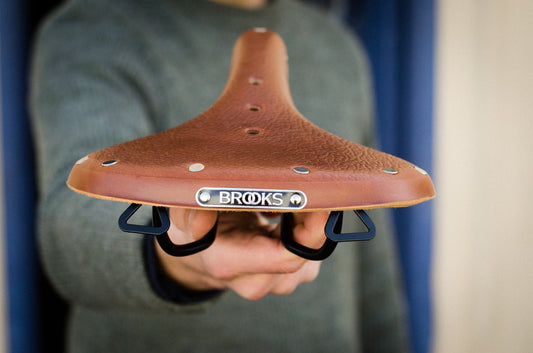
Brooks B68 Saddle
Regular price $170.00 USDRegular priceUnit price per -
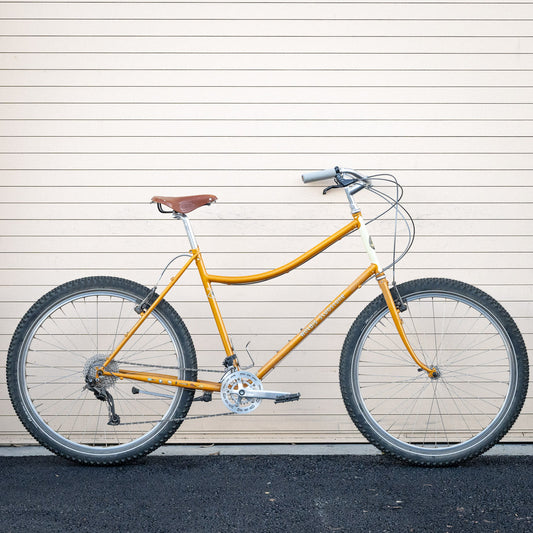
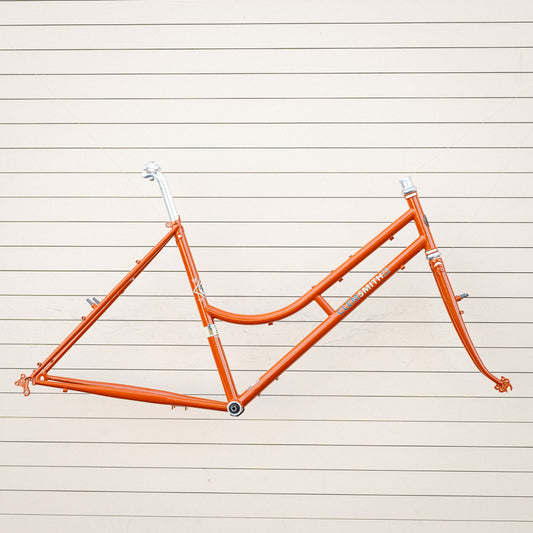
Frame - Clem 2024
Regular price $1,300.00 USDRegular priceUnit price per -
Clem Completes 2024
Regular price $2,050.00 USDRegular priceUnit price per -
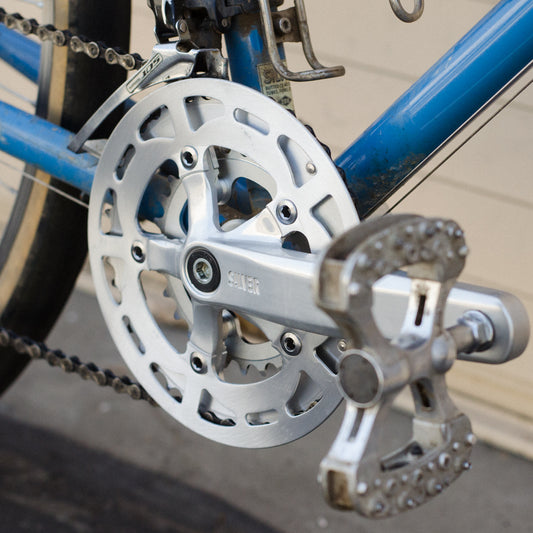
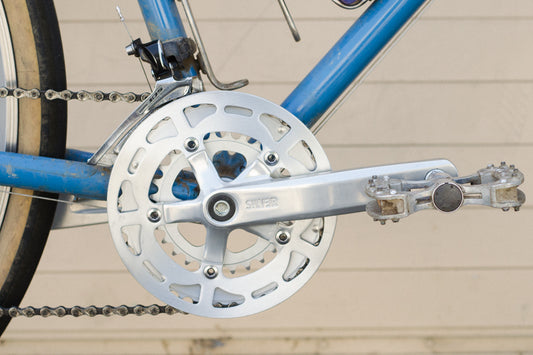
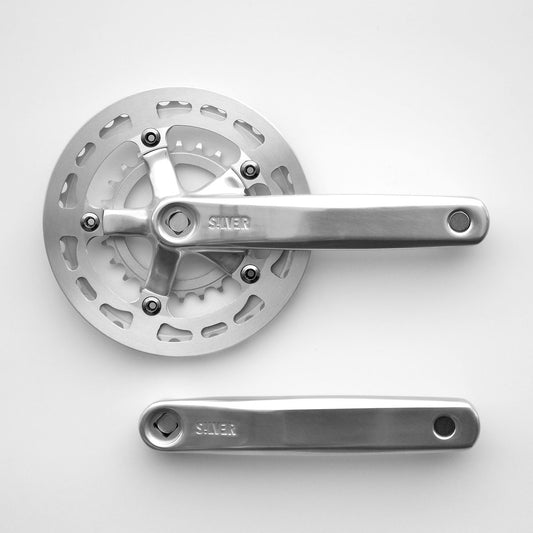
Crank - Silver - Double 42/28 (with guard)
Regular price $280.00 USDRegular priceUnit price per -
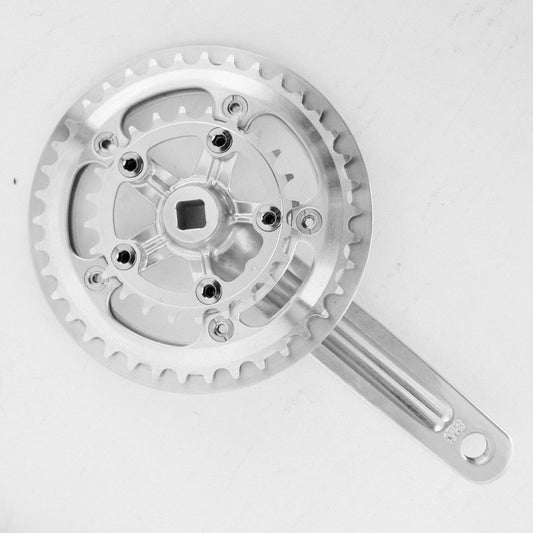
Crank - Silver - Wide/low double 38x24 (with guard)
Regular price $280.00 USDRegular priceUnit price per -
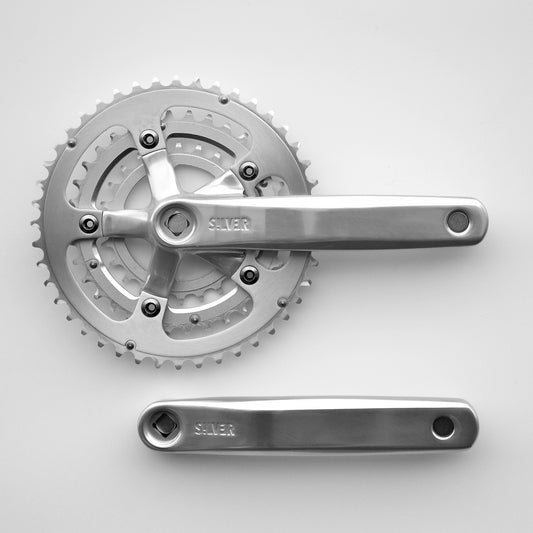
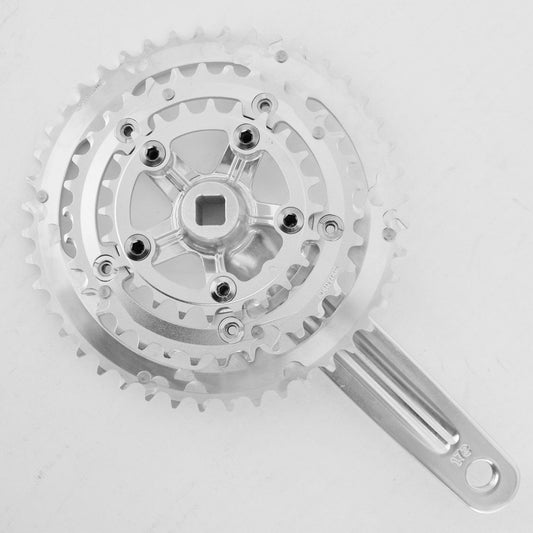
Crank - Silver - Triple 44x34x24
Regular price $280.00 USDRegular priceUnit price per -
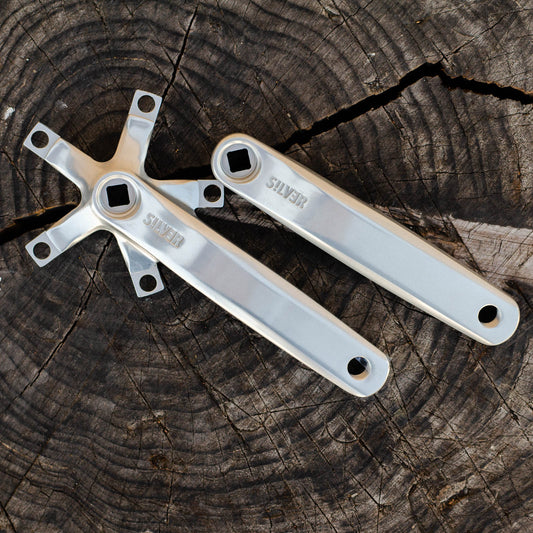
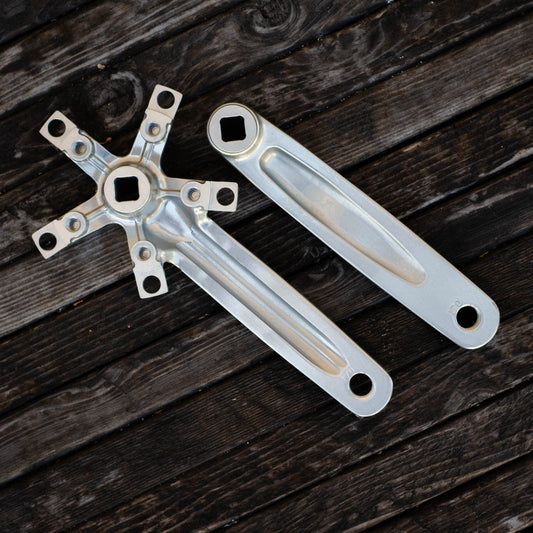
Crank - Silver - Arms only
Regular price $190.00 USDRegular priceUnit price per -
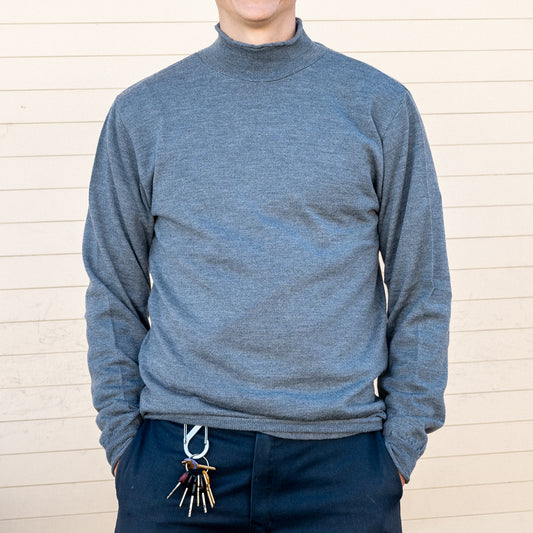
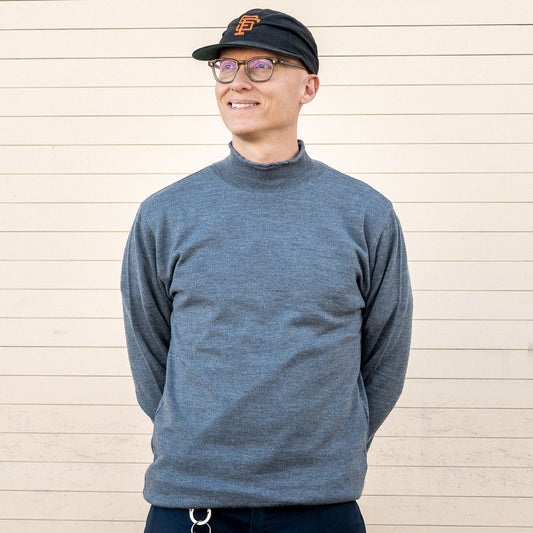
Woolywarm Gray Rollneck Sweaters
Regular price $120.00 USDRegular priceUnit price per -
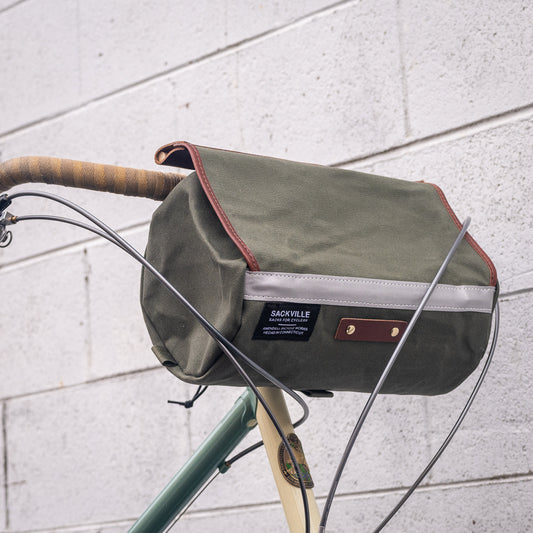
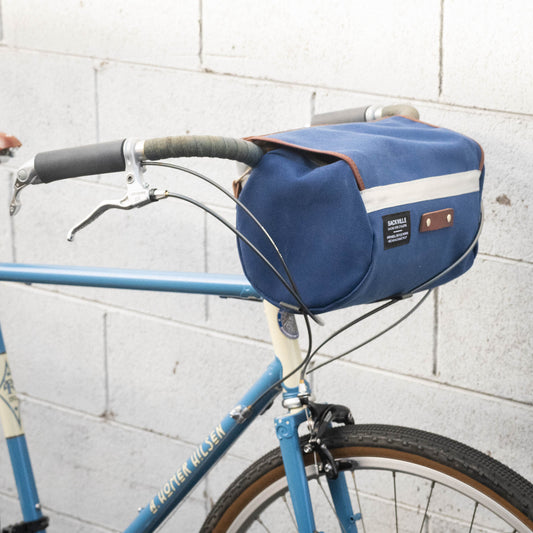
Sackville EZPZ
Regular price $162.00 USDRegular priceUnit price per -
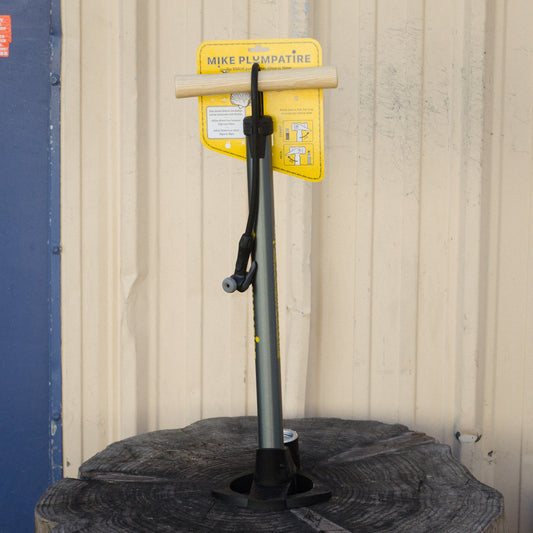
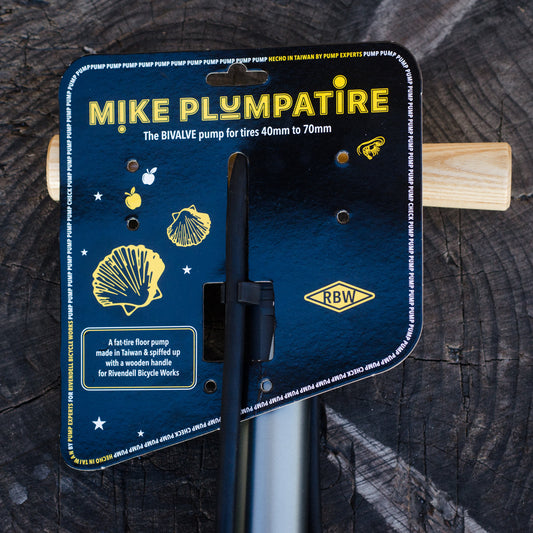
Mike PLUMPATIRE - a wood-handled Floor Pump
Regular price $50.00 USDRegular priceUnit price per
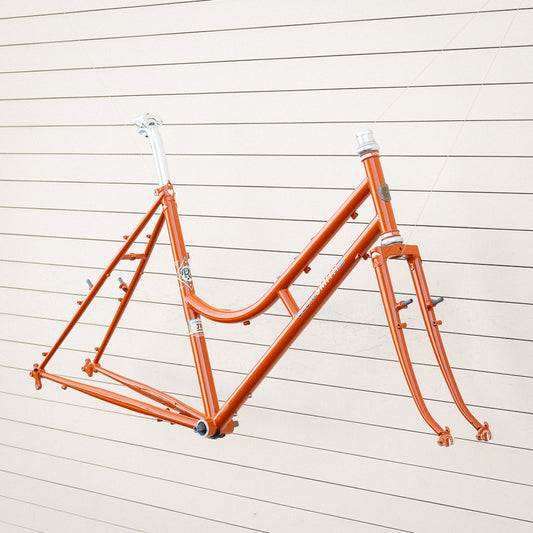
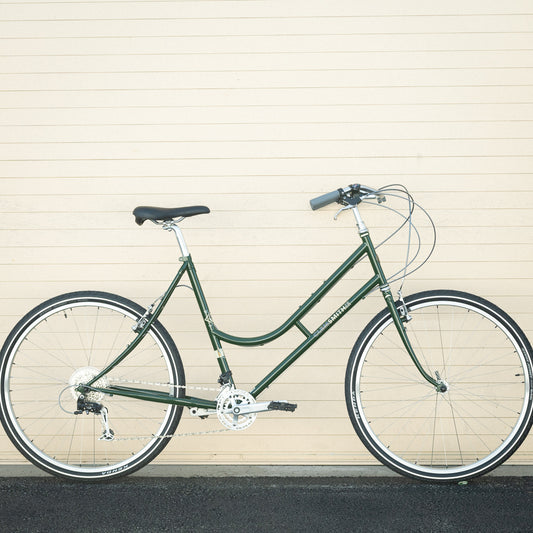
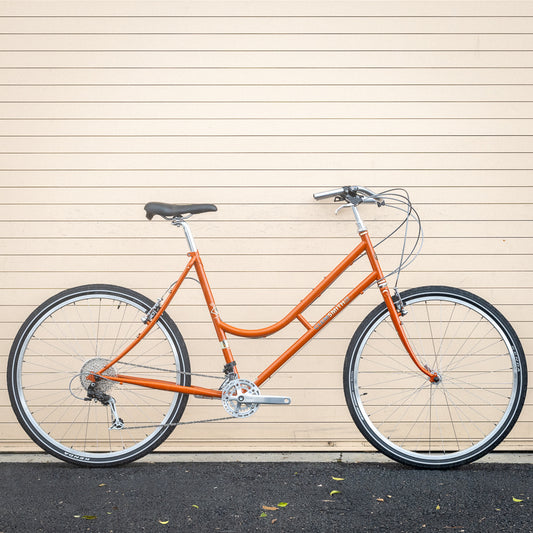

Fun, Comfortable, Useful, and Safe
We make bikes for day riders and tourers, commuters and shoppers, trail riders and athletes, get-arounders and recreationalists, family riders and earth-savers.
We don’t make bikes for racers or weekend warriors, and we don’t use carbon, because it’s dangerous. We don’t make uncomfortable, short-lived, road bikes or mechanically overkilled mountain bikes. Our CrMo steel UNracing bikes are sleek, gorgeous, comfortable, efficient, safe, will last longer, and be safer every ride.
Rivendells are mechanical bikes. Pedal-powered.
We recognize that motorized bikes solve problems pedal bikes can't, but we seriously lack the brain-power to design or make them. So we stick to our true and only love—pedal bikes. When it's a pedal bike you want, we're your people.
How do I get one?
Our weekly email newsletter is the best way to stay informed about when frames are coming and when they'll be available to buy. At the time of this writing, (3/13/23), demand has leveled out a bit since the early days of the pandemic, but frames still sell quickly. The newsletters aren't super sales-y and we try our best to make them entertaining and informative. Sign up by hitting the button below.
Rivendell Frames - Three Ways
See All Models-

Road bikes: For pavement, light loads
But far more versatile, comfortable, and safe than garden-variety road bikes. Fit tires to 40, fender clearance, and fit small racks. Our road frames make sense and ride great.
-
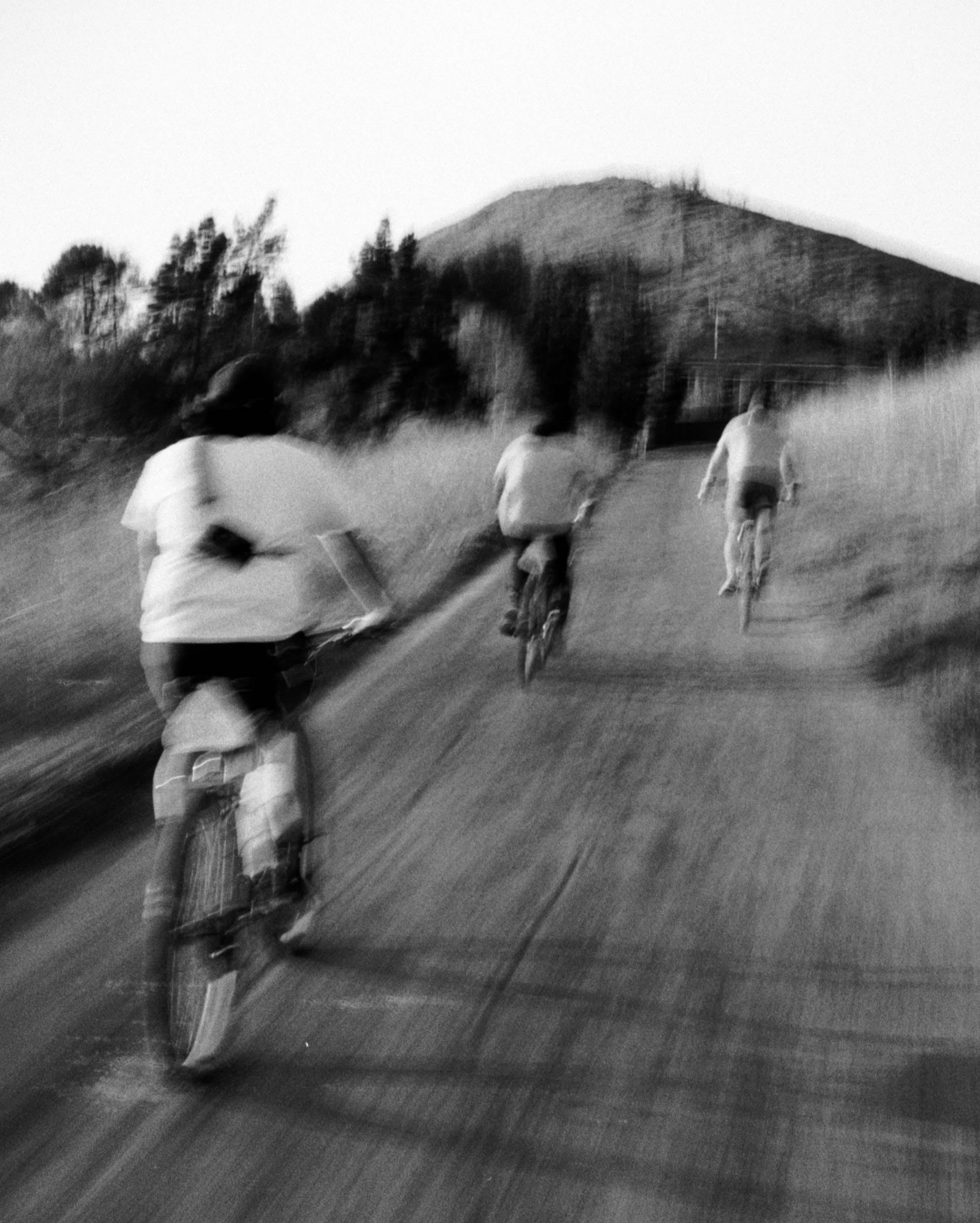
Country Bikes: All roads, some trails
Our country bikes are zippy like a road bike, with added load-carrying capacity, and tire clearance to 48mm. Kind of like a gravel bike, but with rack braze-ons and a classic, beautiful look (instead of amorphous carbon). Super useful and comfortable. If you ride mostly roads and want some carrying capacity, get one of these. Our most popular style.
-

Hillibike: All-Rounders, for trails, touring, roads.
Our Hillibikes are mostly for rough trails and tires to 2.5-inches, but with smooth-treaded 1.6-inch tires, are as capable as any towny, commuter, or touring bicycle. Long wheelbases and raised handlebars make off-roading easy and fun.



Explore our Website
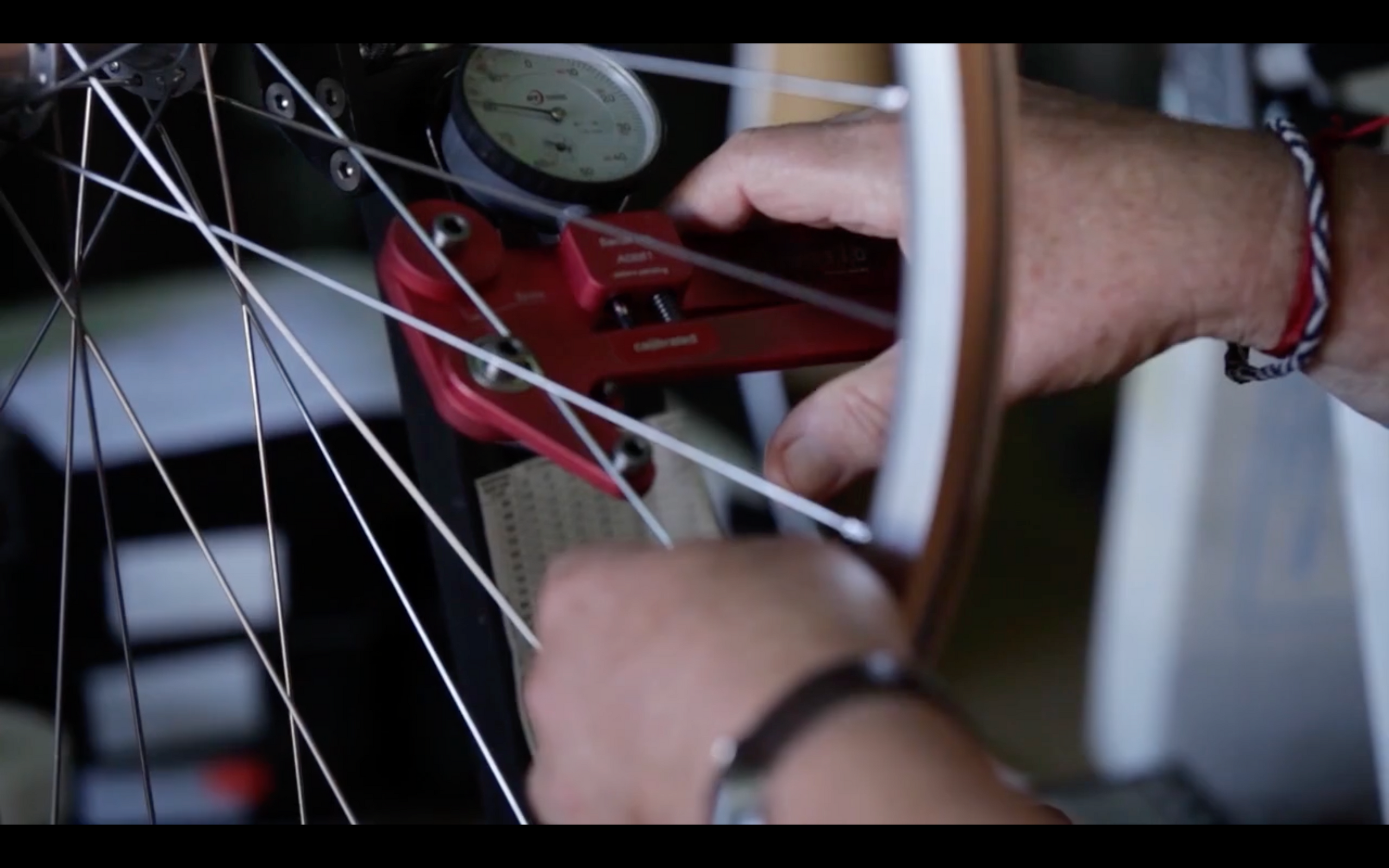
Accessories
Accessories make your bike useful, keep it and you safer, and personalize...
Peeking Through the Knothole - News
View all-

-
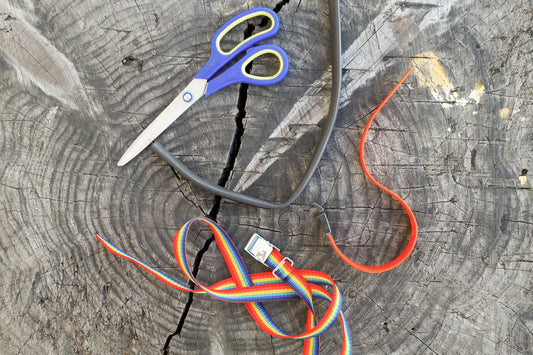
Strapper Keeper - A Tip From Pam Murray
Last weekend Roman, Will, and I were in Philly for the Philly Bike Expo. While we were there we had dinner with Pamela Murray, Leah Petersen, and a few others....
Strapper Keeper - A Tip From Pam Murray
Last weekend Roman, Will, and I were in Philly for the Philly Bike Expo. While we were there we had dinner with Pamela Murray, Leah Petersen, and a few others....
-
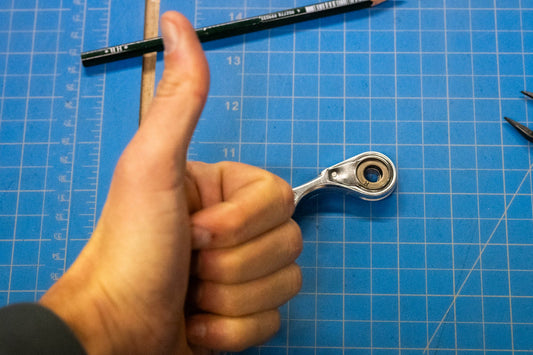
Silver shifter guts, and how it all goes together.
There's really no need to open Silver Shifters up; they don't require maintenance and they're so simple that I can't imagine what could go wrong in there, but people seem...
Silver shifter guts, and how it all goes together.
There's really no need to open Silver Shifters up; they don't require maintenance and they're so simple that I can't imagine what could go wrong in there, but people seem...
-
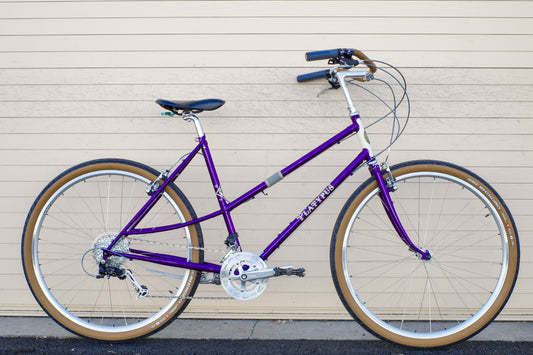
Mending a Dent and a Quick Touch Up
This Platypus had some paint chips that happened during shipping. Even with good packing and a few fragile/this way up stickers, it happens. We try to keep a few warranty...
Mending a Dent and a Quick Touch Up
This Platypus had some paint chips that happened during shipping. Even with good packing and a few fragile/this way up stickers, it happens. We try to keep a few warranty...




Grant's Blahg
View all-
March Blahg. Less reading, more pictures, small...
. I know what you're thinking, if what you're thinking is what I used to think: Thumbtacks are the originals, pushpins happened maybe during the Nixon administration. And yet: I...
March Blahg. Less reading, more pictures, small...
. I know what you're thinking, if what you're thinking is what I used to think: Thumbtacks are the originals, pushpins happened maybe during the Nixon administration. And yet: I...
-

Leap Day Blahg, LONG AND ALL OVER THE MAP
This will be a short Blahg. I wrote that in early Feb, and it's not true anymore. Excuse the goofs, typos, grammaticals, bad organization. Skip around, bail out, whatever it...
Leap Day Blahg, LONG AND ALL OVER THE MAP
This will be a short Blahg. I wrote that in early Feb, and it's not true anymore. Excuse the goofs, typos, grammaticals, bad organization. Skip around, bail out, whatever it...
-
The Helmet Blahg, with other stuff, too. Last B...
I write the blahgs hastily, don't assume typos and grammar problems mean I have no respect for the craft, etc. ====== Salmon are my favorite nature, or however you want...
The Helmet Blahg, with other stuff, too. Last B...
I write the blahgs hastily, don't assume typos and grammar problems mean I have no respect for the craft, etc. ====== Salmon are my favorite nature, or however you want...